Key Takeaways
An MRI is not needed after every car accident. Whether it makes sense depends on your symptoms, examination, and what other tests show.
- Persistent or worsening pain may warrant another evaluation.
- New weakness, loss of coordination, or loss of bladder or bowel control needs urgent medical attention.
- X-rays and CT scans may be used before an MRI, depending on the concern and urgency.
- An MRI can help evaluate some soft-tissue, disc, nerve, ligament, or brain injuries.
- A clinician should interpret MRI findings alongside your symptoms and examination.
When an MRI may be recommended
An MRI after car accident injuries may be considered when symptoms or examination findings raise questions that other tests have not answered. It is not an automatic next step, and the best timing depends on the situation. A clinician will weigh what you are feeling, what they find on examination, and whether another kind of imaging is more appropriate.
Pain that persists or worsens despite initial care
Soreness can appear or change in the hours and days after a collision. If pain is not improving, gets worse, or limits ordinary activities despite initial care, check back with a clinician rather than deciding on imaging by yourself. They can reassess you and determine whether an MRI or another approach would help clarify the cause. Persistent neck or back symptoms may have several possible explanations; this overview of back and neck pain after a car accident discusses some of them.
Numbness, tingling, weakness, or other nerve symptoms
Numbness, tingling, or weakness can prompt a closer assessment, particularly when symptoms are new, progressing, or traveling into an arm or leg. These signs do not establish a specific injury on their own. A clinician can test strength, sensation, and movement, then decide whether imaging is needed to look for a possible cause. A change in nerve symptoms matters even if pain itself seems manageable.
Suspected injuries to discs, ligaments, muscles, or joints
An MRI can provide images of soft tissues that are not shown as clearly on an X-ray, including structures such as discs and ligaments. It may be considered when an examination points to an injury in the neck, back, shoulder, knee, or another joint. The scan is only one part of an assessment: a finding needs to make sense alongside the person’s symptoms and medical history. It is also possible for imaging to show changes that were not caused by the recent collision.
Exam findings that suggest an injury not visible on X-rays
A clinician may consider an MRI when an examination raises concern about an injury that a normal or inconclusive X-ray would not explain. For instance, persistent symptoms together with specific changes in strength, sensation, or movement may call for further assessment. The clinician can explain what question the scan is meant to answer and whether other steps should come first. Further background on MRI evaluation after a collision covers reasons a clinician may consider imaging.
Symptoms that need urgent medical attention
Some symptoms after a crash call for prompt medical assessment, whether or not an MRI is part of the eventual workup. Do not wait for a routine appointment if a serious or rapidly changing problem develops. Emergency clinicians can decide which tests are appropriate for the immediate concern.
New or worsening weakness or loss of coordination
New weakness, trouble walking, or a loss of coordination after a crash should be assessed urgently. These changes can have different causes, and it is not possible to determine the cause from symptoms alone. If the problem is sudden, severe, or worsening, seek emergency care or call emergency services. Avoid driving yourself if you feel unsafe to do so.
Severe neck or back pain with numbness or tingling
Severe neck or back pain paired with numbness or tingling deserves prompt medical attention, especially if the symptoms are spreading or getting worse. Tell the clinician when the symptoms began and whether they affect one or both sides of the body. They can assess for urgent problems and decide whether imaging is needed. Do not assume that a lack of visible bruising means the symptoms can be ignored.
Loss of bladder or bowel control
New loss of bladder or bowel control after an accident is an emergency warning sign. Seek emergency medical care immediately rather than waiting to see whether it resolves. If this occurs along with back pain, numbness, or weakness, report all of those symptoms to the care team. A clinician can determine the appropriate urgent evaluation.
Confusion, repeated vomiting, or a worsening headache after a head injury
Confusion, repeated vomiting, or a headache that worsens after a head injury needs urgent medical assessment. These symptoms may require immediate evaluation, and an MRI is not necessarily the first test used in an emergency. Call emergency services for severe or rapidly worsening symptoms, or go to an emergency department. Mention any loss of consciousness, memory gaps, or new changes in behavior.
Why an MRI may not be the first test
Different imaging tests answer different questions, and clinicians often begin with the test that best fits the suspected injury and urgency. An MRI may be useful for some soft-tissue concerns, but it is not always the quickest or most appropriate first study. A clinician may also recommend an examination and follow-up before deciding whether further imaging is needed.
How X-rays can help identify fractures
X-rays are commonly used to assess bones for fractures and some alignment concerns. They do not show every type of injury, so a reassuring X-ray does not necessarily explain ongoing symptoms. The comparison below shows how clinicians may choose among imaging options based on the question at hand.
| Test | What it can help assess | Why it may be considered |
|---|---|---|
| X-ray | Fractures and some alignment concerns | To check for certain bone injuries |
| CT scan | Bone detail and some urgent injury concerns | When a rapid assessment is needed |
| MRI | Soft tissues, discs, nerves, and other structures | When the clinical question calls for these details |
These tests are not interchangeable, and the table is only a general guide. The clinician considers your symptoms, examination, and the suspected injury when recommending a test. If symptoms continue despite initial imaging, ask what the results do and do not rule out.
When CT scans are preferred for urgent assessment
A CT scan may be chosen when a clinician needs a rapid assessment, such as after certain serious injuries. It can provide detailed views of bones and may help assess other urgent concerns depending on the area being examined. The decision depends on the patient’s condition and the clinical question, not simply on which scan offers more detail. If an emergency team recommends a test, ask them what they are looking for and what the next step will be.
Why a clinician may recommend follow-up before ordering an MRI
A clinician may want to review symptoms and examination findings over time before ordering an MRI, particularly if there are no urgent warning signs. Follow-up can show whether pain is improving, staying the same, or changing, and that information may affect the next step. For people in Southern California seeking a referral for physician care, Pacific Coast Injury Network is a California-registered chiropractic and doctor/physician referral service connecting individuals with practices in the region. Its network includes independently owned and operated practices offering care on liens.
How symptoms and exam findings can change over time
Symptoms can evolve after a crash, so a single early examination may not capture the whole picture. Tell your clinician if pain spreads, movement becomes more difficult, or new numbness or weakness appears. Keeping track of when changes began can help make follow-up discussions clearer. If there is a sudden or severe change, seek urgent medical attention instead of waiting for a planned appointment.
Injuries an MRI may help identify
MRI can help clinicians evaluate certain injuries involving structures that may not be clear on X-rays. Whether it is useful depends on the body area, symptoms, examination, and the reason for imaging. Even when a scan identifies an abnormality, the clinician must determine whether it is related to the accident and relevant to your symptoms.
Disc and nerve injuries in the neck or back
An MRI may help evaluate spinal discs and nearby nerves when symptoms and examination findings suggest a possible injury. For example, pain that travels into an arm or leg, or changes in sensation or strength, may lead a clinician to consider further imaging. Such symptoms can have more than one cause, so the scan is interpreted together with the examination. The result alone does not determine what treatment is appropriate.
Soft-tissue injuries in the shoulder, knee, or other joints
When joint pain or limited movement persists, an MRI may help assess soft-tissue structures such as ligaments or other tissues around a joint. The clinician will consider how the injury happened and what movements or tests reproduce symptoms. An abnormal image does not automatically mean that a procedure is necessary. Treatment decisions depend on the whole clinical picture and the person’s needs.
Spinal cord or ligament damage
If examination findings raise concern about the spinal cord or ligaments, a clinician may consider imaging that can show those structures. Symptoms such as new weakness, changes in coordination, or altered sensation should be reported promptly. Serious or worsening symptoms need urgent evaluation rather than waiting for a scheduled scan. The care team can decide which imaging method is appropriate and how quickly it is needed.
Brain injuries that may need further evaluation
Some brain injuries require further evaluation, but the choice and timing of imaging depend on symptoms and the clinician’s assessment. After a head injury, confusion, repeated vomiting, or a worsening headache should be checked urgently. In an emergency, a clinician may choose a different initial test before considering an MRI. Follow the care team’s instructions and report any change in symptoms.
What to expect when getting an MRI
If an MRI is recommended, the imaging team will give instructions based on the area being scanned and the reason for the exam. The process is noninvasive, but it requires you to lie still while images are taken. Tell the team about anything that could affect your safety or ability to complete the scan before it begins.
How the scan works and how long it may take
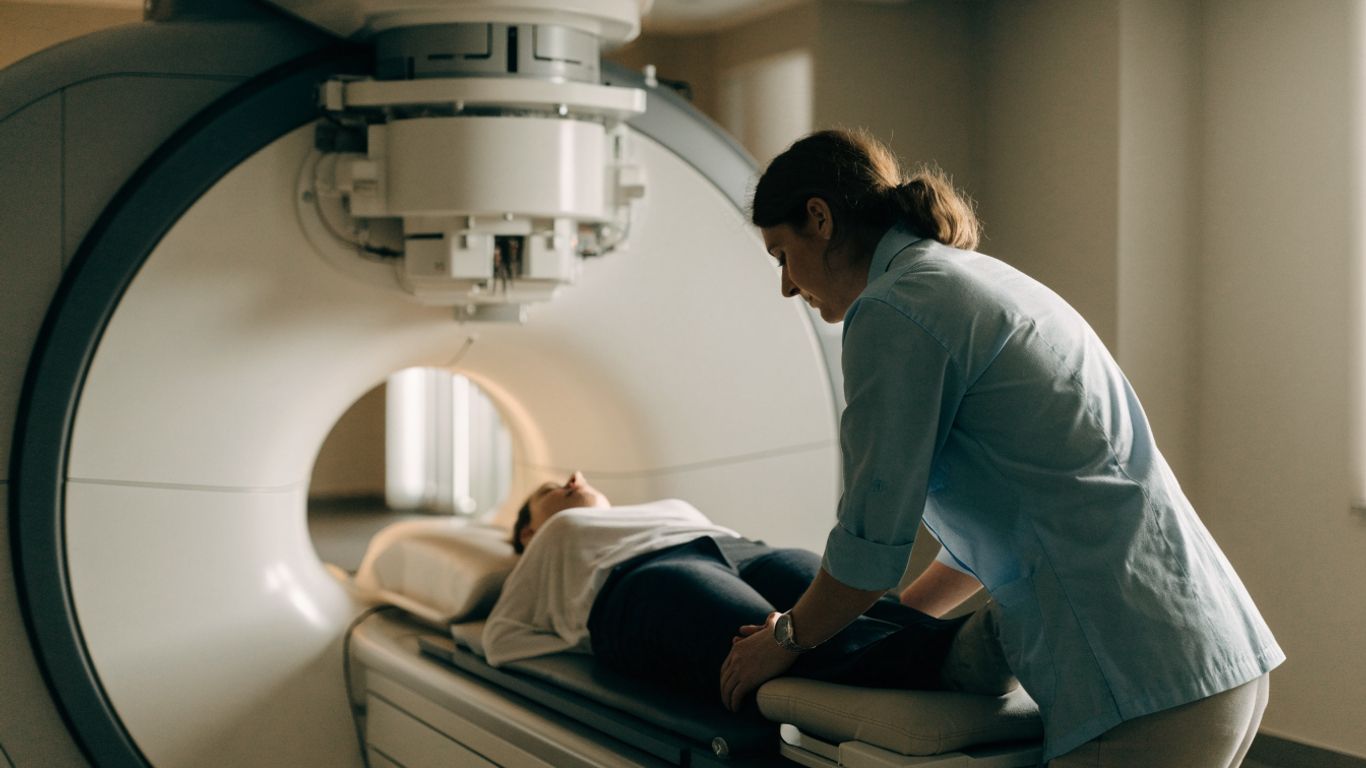
An MRI uses a strong magnetic field and radio waves to create images of structures inside the body. You will usually lie on a table that moves into the scanner, and the equipment may make loud knocking or tapping sounds. The length of the appointment varies with the body area and the imaging plan. The team can explain what to expect and how they will communicate with you during the scan.
What to tell the imaging team about implants or medical devices
Before the scan, tell the imaging team about any implants, medical devices, or metal fragments in your body. The team needs to check whether the equipment is safe for the MRI environment and may ask for details about the device. Do not guess about whether something is compatible; share what you know and let the imaging staff verify it. Mention previous surgeries and bring device information if you have it.
When contrast dye may be considered
Some MRI exams use contrast material, while others do not. Whether it is considered depends on the question the clinician wants the scan to answer and the imaging protocol. If contrast is planned, the team can explain how it will be given and ask about relevant health history or prior reactions. Ask the ordering clinician or imaging team what applies to your particular exam.
How to prepare if you have claustrophobia or difficulty staying still
Tell the imaging team in advance if you feel claustrophobic, have pain that makes it hard to lie still, or are concerned about completing the exam. They can discuss available options and explain the scanner setup before the scan begins. You may also ask how long you are expected to remain still and how to signal if you need help. Do not take medication to relax unless it has been discussed with a clinician.
What to do with your MRI results
An MRI report can contain technical language and findings that are not easy to interpret on their own. The clinician who ordered the scan can explain what the report means for your symptoms and what should happen next. Keep the report and discuss any questions at follow-up rather than relying on a single phrase in the findings.
Ask the clinician to explain the findings in context
Ask which findings relate to the reason the MRI was ordered and whether they match your examination and symptoms. A report may describe details that are not the main cause of your pain, so it helps to have the clinician explain what matters most. If you are unsure what a term means, ask for a plain-language explanation. Make sure you understand whether any follow-up is recommended.
Understand why an MRI finding may not explain every symptom
Imaging findings do not always account for every symptom, and some changes may have been present before the accident. The clinician considers the location and type of finding alongside your history and examination. If symptoms remain unexplained, ask whether another assessment or a different next step is appropriate. Avoid drawing conclusions about cause or severity from the report alone.
Discuss treatment, activity changes, and follow-up care
Ask the clinician what options are appropriate, whether you should temporarily change any activities, and when to check in again. Recommendations depend on the injury and your overall health; there is no single plan that fits everyone. Pacific Coast Injury Network connects individuals with chiropractors and doctors throughout Southern California through its referral service. Its member practices are independently owned and operated, and offer care on liens.
Keep copies of reports and records related to the accident
Save a copy of the MRI report and, if available, the images, along with visit summaries and other records related to your care. Keeping documents together can make it easier to answer questions at later appointments and follow changes over time. Pacific Coast Injury Network is a California-registered chiropractic and doctor/physician referral service for people seeking care from providers in Southern California. When organizing your records, note the date of each appointment and the instructions you received.
Conclusion
An MRI may help answer specific questions about injuries after a car accident, but it is only one part of care. Seek urgent attention for serious or worsening symptoms, and work with a clinician to choose appropriate tests and understand the results in context.
Frequently Asked Questions
Does everyone need an MRI after a car accident?
No. A clinician decides whether an MRI is appropriate based on symptoms, examination findings, and the suspected injury. Other tests or follow-up may be more suitable.
How soon after a car accident should I get an MRI?
There is no single timeline that applies to everyone. The timing depends on the symptoms, examination, and whether urgent concerns need to be assessed first.
Can an MRI show injuries that an X-ray does not?
An MRI can help assess some soft tissues and other structures that an X-ray does not show as clearly. The most useful test depends on the clinical question.
Should I go to the emergency room before arranging an MRI?
Seek emergency care for serious symptoms such as new weakness, loss of coordination, loss of bladder or bowel control, or a worsening headache after a head injury. Emergency clinicians can decide which tests are needed.
Can symptoms appear after I initially feel fine?
Symptoms can change or become noticeable after the accident. If new pain, numbness, tingling, or weakness develops, contact a clinician; seek urgent care if symptoms are severe or worsening.
Does an abnormal MRI prove that the accident caused an injury?
No. A clinician considers the scan alongside your medical history, symptoms, and examination to assess what a finding may mean and whether it relates to the accident.
What should I tell the imaging team before an MRI?
Tell the team about implants, medical devices, metal fragments, prior surgeries, and any difficulty lying still or being in an enclosed space. They can explain what information they need before the scan.